The iPad’s Biggest Problem Is That Only Apple Is Allowed to Solve the iPad’s Problems
iPadOS 26 was a popular release, as Apple solved* several of the iPad’s most glaring issues. However, the launch of the MacBook Neo has resurfaced various iPad frustrations — and reminded me of a thought I never got around to write about last summer: The one in the title.
For a long time, people had hoped for better window management on the iPad. And they had to wait because it couldn’t be solved by someone like Many Tricks. Podcasters rejoiced when Apple improved the audio routing options on the iPad because Rogue Amoeba had no way of doing it.
Now people are wishing for a clipboard history (that Spotlight on the Mac got this year) — and only Apple can deliver it. You can’t solve it through Paste or PastePal.
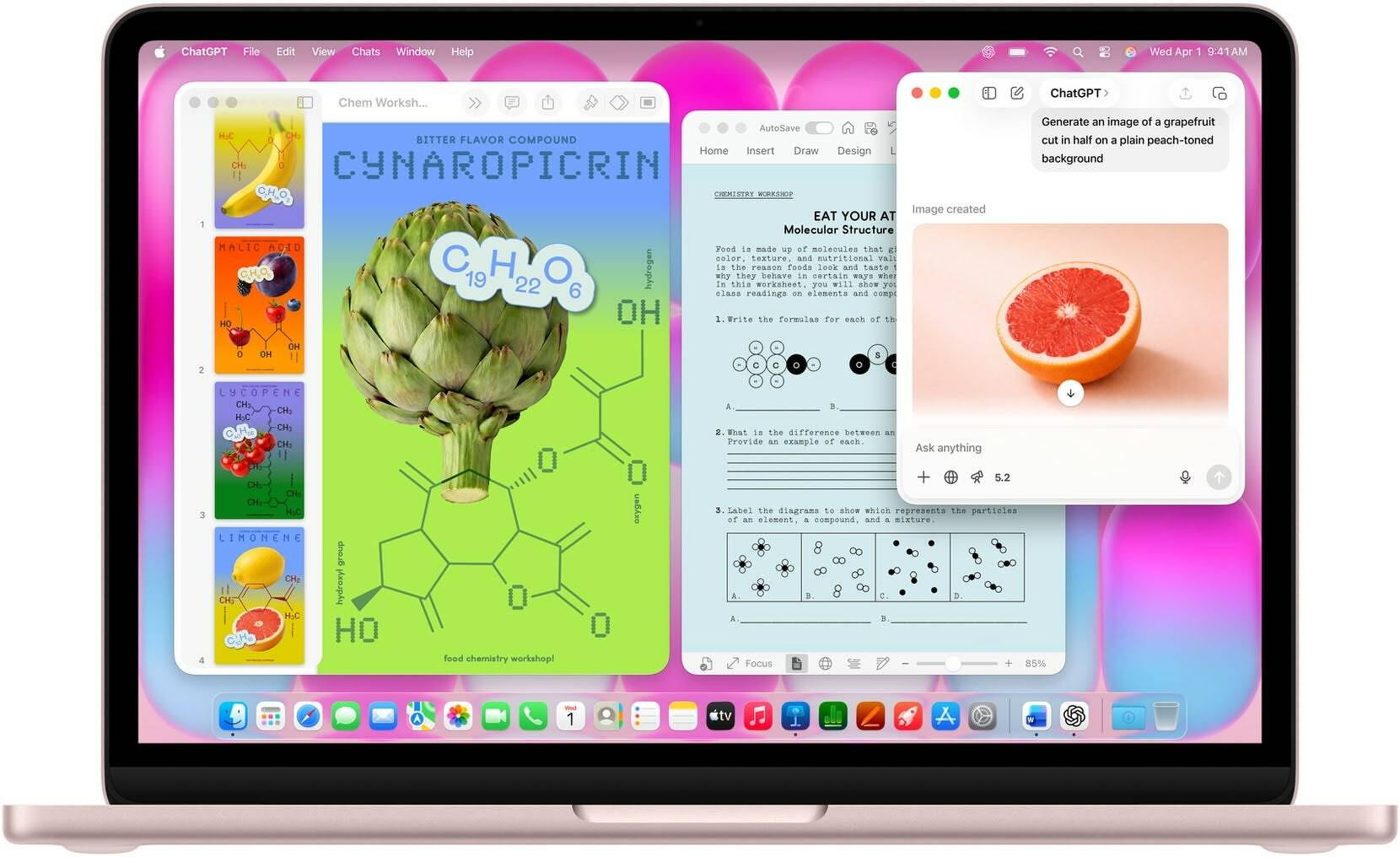
I love using my Mac — but I don’t love using Macs out of the box. You see, compared to a fresh one, my Mac has a better launcher and window management 🖇️, a more powerful trackpad, amazing hotkeys, and stellar sound control. And these (and many more) are all app types not allowed on the iPad.
That only Apple can solve problems (at least the fundamental ones) with the iPad makes it so our only option is to wait and hope. And not only that, when they eventually do solve it, there’s only one option. You see, you might hate the things I’ve done to my Mac — and that’s totally fine. You might want Aerospace to control your windows, and I don’t.
Simplicity?
I get that the iPad strives for simplicity — and that is a good thing about it! But I don’t think having a more open OS has to lead to a much more complex experience. I think it has much more to do with control and _app store revenue_…
Many people are sharing this excellent post by Sam Henri Gold. And in the following quote, you could very well change Chromebook for iPad:
Yes, you will hit the limits of this machine. 8 GB of RAM and a phone chip will see to that. But the limits you hit on the Neo are resource limits — memory is finite, silicon has a clock speed, processes cost something. You are learning physics. A Chromebook doesn’t teach you that. A Chromebook’s ceiling is made of web browser, and the things you run into are not the edges of computing, but the edges of a product category designed to save you from yourself. The kid who tries to run Blender on a Chromebook doesn’t learn that his machine can’t handle it. He learns that Google decided he’s not allowed to. Those are completely different lessons.