Artisanal Software
Like bread, tools, and clothes
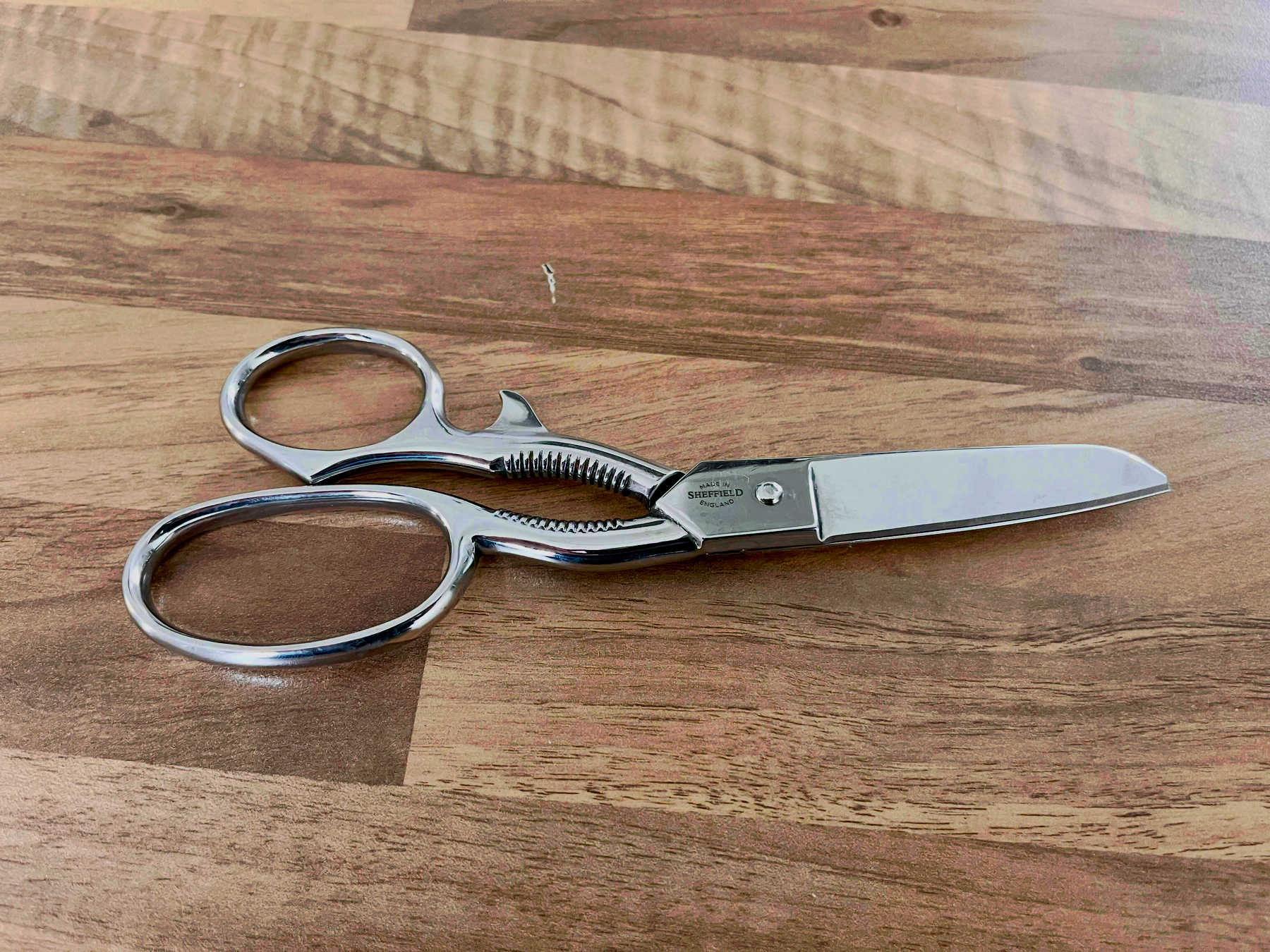
My backpack is really, really nice.
I do like the size, the rooms and pockets it has, etc. But the main thing is the way it looks and, perhaps most importantly, the way it feels. The zip is super satisfying to use, and every piece of material just feels solid. Just interacting with it brings me joy. Every day.

I can’t really recommend it, though! It’s much too expensive for what it is, and it doesn’t carry your stuff any better than most backpacks. It’s a waste of money — but at least it’s money wasted on something that lasts.
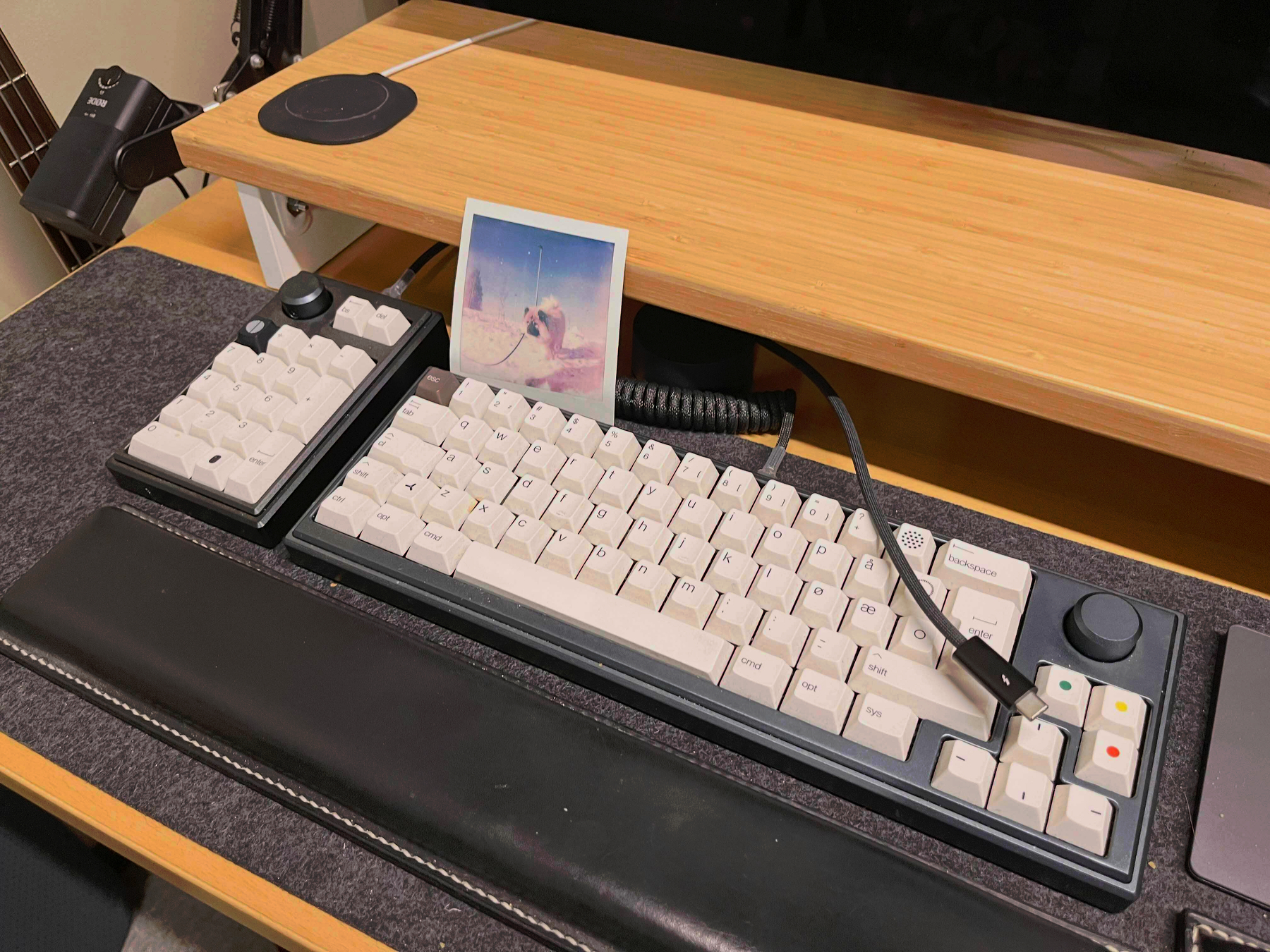
So, it doesn’t do the things I need it to do better than the alternatives. However, it’s still worth it for me to love the things I use every day. I don’t write better on my keyboard than on a more standard keyboard. But it still brings me joy.
I think the same is true with software — but I fear we have to fight for the privilege of being able to use truly great software.
The Jolly Teapot is an excellent blog by Nicolas Magand. And while we have very different philosophies when it comes to CSS, I really vibe with the way he views software.
For instance, there is this great post, simply called On quality software:
Shitty software is everywhere.
(…)
As someone who really enjoys quality software and spends way too much time searching for a slightly better solution for each use case, this apparent lack of taste and bon goût from the general public kinda annoys me. It’s not like software is something we only use every other day: software is ubiquitous.
For examples of what I tink about when it comes to software that feels good, you can check out my detail oriented review of the Markdown editor Paper. And it matters more than I’d like that I enjoy using my tools!1
His latest post is called Software will never feel the same:2
For me, going to a restaurant isn’t only about eating, it isn’t only about having a good time in a nice place: it’s also about appreciating how harmonised everything is, and how the professionals working there have organised their respective skills to make the restaurant as good as it can be.
If I learn that a restaurant uses ready meals, and that the people working there simply reheat something they didn’t make and label it as their own because they’ve added some of their own seasoning, it would change my opinion of that place, even if the food served tastes as good as before.
(…)
If the app is useful to me and fits into my “workflow”, fantastic: I get to appreciate both the craft and the app itself. If the app isn’t really for me, I can still recommend it and appreciate the efforts, the design, the features and the intentions of the team. It’s a sort of catch-and-release approach to software fishing.
At least this is what I enjoyed doing until recently; alas, the fishing part now has a strong, inescapable stink; too often with brand new apps something smells…
…suspicious.
While most food, pieces of clothing, and tools are mass-produced (and that’s often perfectly fine), it is still possible to find artisanal goods. But if you want your local bakery to survive, and there to be clothing brands that don’t produce all their items in sweatshops, you have to support them. There are still apps like Paper, Bike, and Ivory. (These apps feel really nice. But I also mention tons of good indie apps in this post, if you want other examples I could include.)
Apps like Zed and Ghostty show you don’t have to pay to get software where someone has cared about more than what the program can do. However, if artisanal software still has a future, I fear it would often have to become more expensive — just like how hand-made bread probably is more expensive today than it used to be.3
I don’t think using AI during development is antithetical to creating software that feels great. But not spending time on it is. As Casey Liss always say: You have to give crap.
Apple is a company that used to do this — and hopefully, it’s not too late for them to do it again. It’s a good sign that they had an “apology segment” on this year’s WWDC keynote! But they are in a market position where they don’t have to care. But one can hope.
Where we can contribute, though, is by supporting our “local” indie developers and open-source projects! And let’s not stop at what our tools can do, but also care about how it feels to use them. It’s something that can bring joy to even the most menial task — like packing your backpack.